Guide
What Is a Nootropic? A Plain Guide to the Word, the Types and the Risks
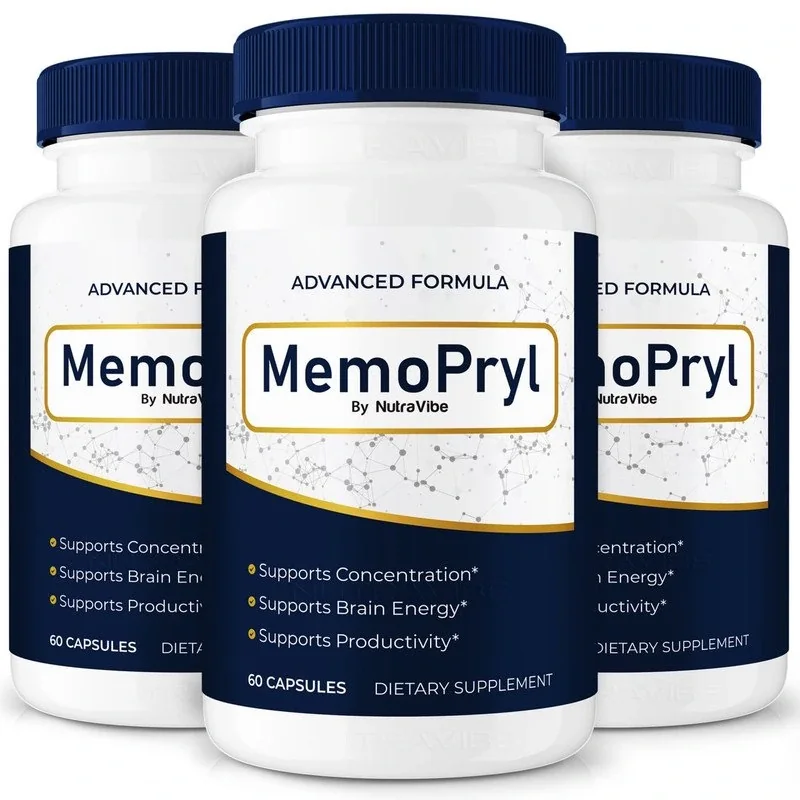
A nootropic is a marketing word for anything sold to sharpen memory, focus or mood. It is not a medical class, and FDA does not define it. Coffee, herbs, amino acids and prescription drugs all get the label. MemoPryl is a dietary supplement in capsules that fits this loose description, and no trial has tested it.
By the MemoPryl label deskUpdated
What is a nootropic?
A nootropic is a product sold to support thinking, memory or focus. The word is a sales term. It has no legal meaning in the United States, and no agency sorts products into "nootropic" and "not nootropic."
People use it for very different things. A cup of coffee, a bottle of herbal capsules and a prescription for attention problems may all be called nootropics online. Their safety and proof are not alike.
So the word alone tells you little. The useful questions are what is inside, how much, what studies exist, and what it does with your medicines.
MemoPryl is a dietary supplement in capsules, not a drug. Its labels use words such as focus, memory and brain energy. The word nootropic does not appear on any bottle image we have.
What are the main types of nootropics?
Most products fall into three groups: everyday stimulants, supplements, and prescription drugs. The group decides how strong the proof is and how careful you must be.
Stimulants
Caffeine is the best known. FDA cites 400 mg a day as an amount not generally linked to harm for most adults, about two to three cups of coffee, and says tolerance varies (FDA, Caffeine).
Supplements
Herbs, amino acids and fat-like compounds sold in capsules. FDA does not approve them before sale (FDA, Using Dietary Supplements). MemoPryl sits here.
Drugs
Medicines a doctor prescribes for a diagnosed condition. They are not supplements, and taking someone else's is unsafe.
Supplement-type nootropics are the group this site covers. Their record is covered in the guide to whether brain supplements work.
Are nootropics natural, and does that make them safe?
Many are plant or amino-acid products, but natural does not mean safe. NCCIH says so plainly, and uses St. John's wort as its example of a herb that makes many medicines less effective (NCCIH, Using Supplements Wisely).
Some products sold as supplements also hide drug ingredients that are missing from the label. FDA warns about this, and lists "all natural" claims among the warning signs (FDA, Hidden Ingredients). Those cases cluster in sexual enhancement, weight loss and muscle products (Tucker 2018, JAMA Netw Open), but the lesson holds for any bottle: read the panel.
The rest of this risk is simple. Herbs act like medicines in the body. If you take medicine, a herb can change how it works.
Is MemoPryl a nootropic, and what is in it?
MemoPryl fits the loose meaning, since it is sold for memory and focus. Six ingredient names are tied to it from a sibling pack: phosphatidylserine, ginkgo, N-acetyl L-carnitine, St. John's wort, brahmi and L-glutamine.
The names are unconfirmed for your bottle, and no amount is printed on any image we have. Two of them carry medicine cautions: St. John's wort can make many medicines weaker (NCCIH, St. John's Wort safety), and ginkgo can add to bleeding risk (FDA, Mixing Meds and Supplements).
- 1PhosphatidylserineIn the seller's notes · no printed amount
- 2Ginkgo biloba LeafIn the seller's notes · no printed amount
- 3N-Acetyl L-Carnitine HClIn the seller's notes · no printed amount
- 4St. John's WortIn the seller's notes · no printed amount
- 5Brahmi / Bacopa monnieriIn the seller's notes · no printed amount
- 6L-GlutamineIn the seller's notes · no printed amount
According to the seller's notes, these six appear "on a sibling MemoPryl pack from the same listing family", and the notes say to confirm the current bottle. None of our bottle images shows a Supplement Facts panel, so the panel order is unknown; the order here follows the seller's notes, not the label.
MemoPryl: capsules in 2, 3 or 6 bottlesRead the bottle · check medicines first · 60-day window (confirm)
See packsHow do nootropics compare with caffeine?
Caffeine acts fast and its limits are known. Supplement nootropics act slowly, if at all, and their limits are less clear.
Studies of single supplement ingredients often run 12 weeks or more before testing results. Coffee needs no such wait, but too much can bring a fast heartbeat, poor sleep, jitters and stomach upset (FDA, Caffeine).
| Question | Caffeine | Supplement nootropic |
|---|---|---|
| How fast it acts | Within the hour for most people | Studies waited 12 weeks or more (Kongkeaw 2014, Bacopa meta-analys.) |
| Strength of proof | Well studied; safe range known | Mixed; often small trials (NCCIH, Supplements and Cognition) |
| Amount known | Printed on many drinks | MemoPryl: not printed on any image we have |
| Medicine risk | Ask if you take certain medicines | Can be high: St. John's wort, ginkgo |
| Best check | Ask your doctor about your limit | Read the panel, then ask a pharmacist |
How do I use a nootropic more safely?
Ask your doctor or pharmacist before you start, and keep taking prescribed medicine exactly as directed. A supplement is never a reason to skip a prescription.
Read the full panel
You want ingredient names and an amount for each. MemoPryl has no panel on the images we have, so use the bottle you receive.
Show it to a pharmacist
Bring the bottle. Mention surgery, pregnancy, nursing, blood thinners, antidepressants and birth control pills.
Follow the label, nothing more
Do not double up or stack products with similar ingredients.
Stop if something feels wrong
Stop the product, call your doctor and report serious reactions to FDA (FDA, Report a Supplement Problem).
Should I try a nootropic for memory problems?
No, not first. Memory changes that affect daily life are a reason to see a doctor, not to test a supplement (NIA, Forgetfulness: When to Ask).
Forgetfulness can be normal with age. But losing things often, missing important dates or getting lost in familiar places deserves a check, because some causes can be treated. Details are on the memory changes guide.
If you are healthy and simply curious, compare options first in MemoPryl vs other options.
FAQ01
Nootropic questions, answered
What does nootropic mean?
Nootropic is a sales word for products meant to support memory, focus or mood. It has no legal or medical definition in the United States. Coffee, herbs, amino acids and prescription drugs may all be called nootropics, so check the ingredients and the proof.
Are nootropics legal in the United States?
Dietary supplements sold as nootropics are legal to sell, but FDA does not approve them for safety or effectiveness first. Prescription drugs are legal only with a prescription. Ask a pharmacist about any product that makes strong claims.
Are nootropics safe for daily use?
Safety depends on the product. Caffeine has a known limit, while herbs can interact with medicines. St. John's wort weakens many drugs and ginkgo can raise bleeding risk. Ask your doctor or pharmacist before daily use, and follow the label.
How do natural and synthetic nootropics differ?
Natural ones come from plants or foods, and synthetic ones are made in a lab. Neither group is safer by default. NCCIH notes that natural does not always mean safe, so judge each product by its ingredients, amounts and studies.
Do nootropics work right away?
Caffeine can act within the hour. Supplement nootropics usually do not. Trials of bacopa ran 12 weeks or more, and one phosphatidylserine trial lasted six months. Do not expect a quick change, and see a doctor if memory worries you.
Can nootropics replace prescription medicine?
No. Keep taking prescribed medicine exactly as directed. A supplement is not a substitute, and some can weaken your medicine. Tell your doctor and pharmacist about every product you use before you start one.
Is a nootropic the same as a brain supplement?
Often, yes. Brain supplement and nootropic both describe products sold for thinking and memory. The word nootropic also covers caffeine and prescription drugs, so a brain supplement is the narrower term for capsules such as MemoPryl.
Who wrote this02
Written and reviewed by
Each page draws on the bottle images, the seller's product notes and linked NIH, FDA, FTC and peer-reviewed sources.
Last updated . See our editorial standards and how we check reviews. This website is run by MemoPryl USA retail, not by the manufacturer or the distributor of the bottle. We are paid a commission when you buy through our order links.
Keep reading
Related MemoPryl reading
MemoPryl USA retail
Ready to look at MemoPryl?
Read the bottle you receive and go over your medicines with a pharmacist before you pick a pack. The checkout confirms prices and the guarantee terms.
- Order desk: +1 (302) 200-3480
- 60-day window (confirm at checkout)
- Ships from the U.S. unless the checkout says otherwise