Ingredient profile
Phosphatidylserine in MemoPryl: Evidence and Cautions
Phosphatidylserine is a fat-like molecule found in brain cell membranes, and it is one of six names tied to MemoPryl on a sibling pack. That link is unconfirmed for your bottle, and no amount is printed on any image we have. One small trial and a hedged FDA claim are the main evidence.
By the MemoPryl label deskUpdated
The basics01
What is phosphatidylserine in MemoPryl?
Phosphatidylserine is a phospholipid, a fat-like building block of cell membranes, including those of brain cells (Cleveland Clinic, Phosphatidyl.). It is the first of six ingredient names tied to MemoPryl.
The six names come from a sibling MemoPryl pack, not from the bottle you will receive. They are unconfirmed, and the amounts are not printed on any image we have. No Supplement Facts panel was supplied.
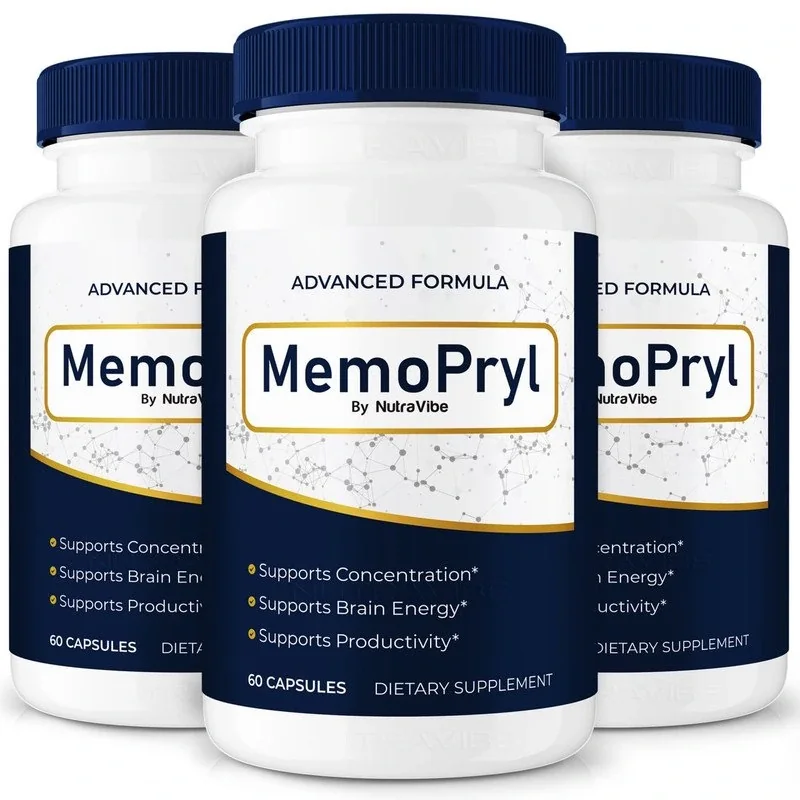
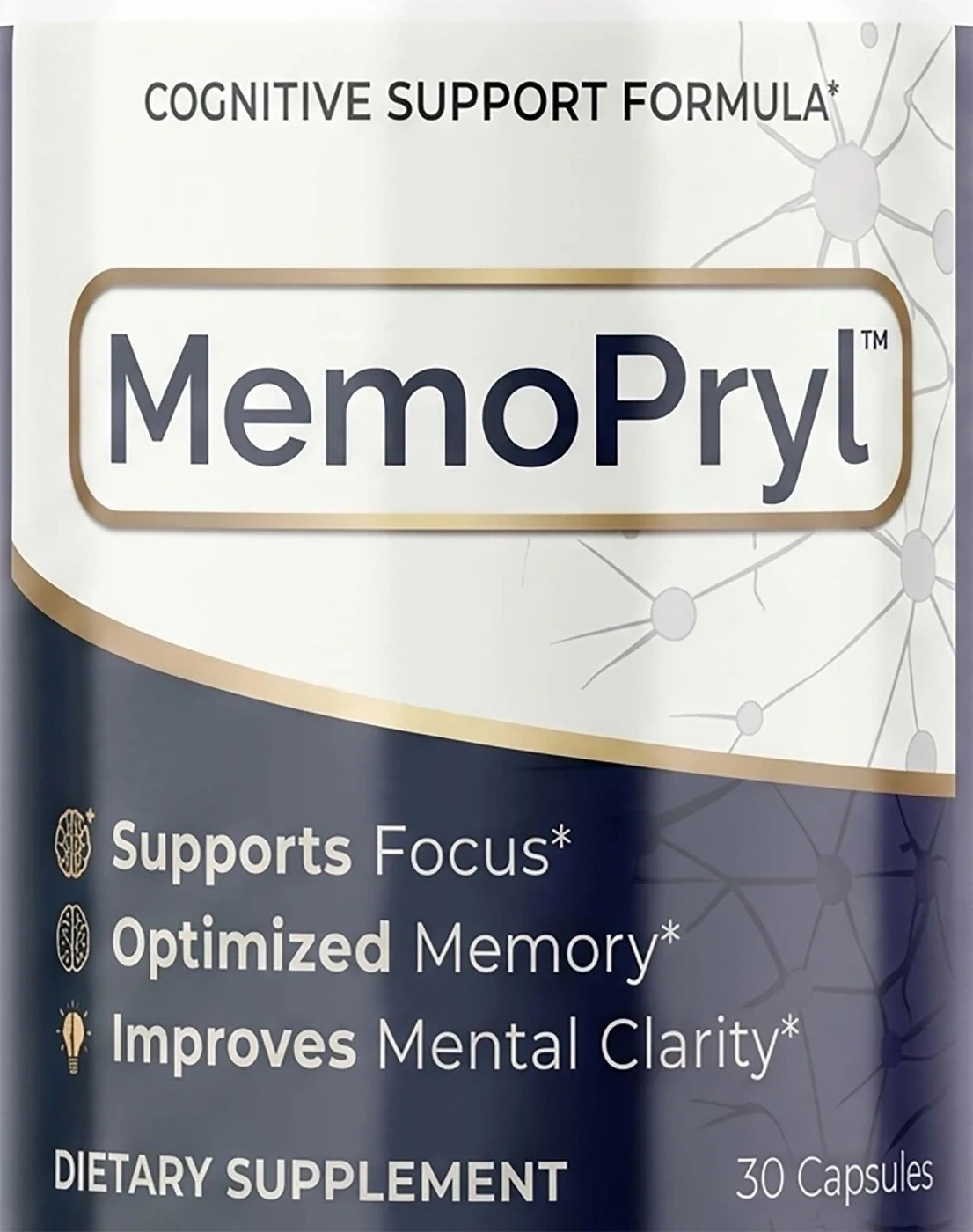
The two bottle images also disagree. The first shows 30 capsules and the second 60. Neither one lists an ingredient. Read the panel on your own bottle, and let it settle the question.
| Name as the seller lists it | Phosphatidylserine |
|---|---|
| What it is | A fat-like phospholipid that cell membranes contain, the brain's included |
| On the bottle? | Unconfirmed: listed in the seller's notes for a sibling pack; we were given no Supplement Facts panel |
| Amount per capsule | Not printed (no Supplement Facts panel supplied) |
| Amount used in research | One trial gave 78 adults 100 mg or 300 mg a day for six months (typical adult intake is cited at 100 to 200 mg a day) |
| Strength of evidence | FDA permitted a claim only if it carried the words 'very limited and preliminary scientific research'; FDA found little scientific evidence |
| Marketed use | Sold for memory and thinking |
| Main caution | Stomach upset, gas, insomnia or headache can occur. |
Evidence02
Does phosphatidylserine help memory?
Maybe a little, for some people, but the proof is thin. The best-known trial was small, and the FDA used careful words when it allowed a claim.
That trial gave 78 adults aged 50 to 69, who had noticed memory slips, either 100 mg or 300 mg of soy phosphatidylserine a day for six months (Kato-Kataoka 2010, soy PS trial). Scores rose in every group, placebo included. Gains showed up only in people who started with lower memory scores, mostly in delayed word recall. Across the whole group, one memory test showed no difference from placebo.
In 2003, FDA allowed two claims about dementia risk only with a warning that the research is "very limited and preliminary" (FDA letter, PS health claim). FDA also said there is little scientific evidence behind them.
Studies of one ingredient at one amount cannot tell you what a mixed capsule does. Treat any gain as unproven.
Amounts03
How much phosphatidylserine is in MemoPryl?
Nobody can say yet. No image we have prints an amount, a serving size or a number of capsules a day.
The bars below show only what researchers used, and only so you can compare. They are not advice. The dashed bar stays empty because the bottle images say nothing.
Cleveland Clinic cites a typical adult intake of 100 to 200 mg a day (Cleveland Clinic, Phosphatidyl.). Do not use that figure to guess your own dose. Follow the directions printed on your bottle, and ask a pharmacist if they are unclear.
Safety04
What are the cautions with phosphatidylserine?
Side effects are usually mild, but they exist. Listed ones include upset stomach, gas, trouble sleeping and headache (Cleveland Clinic, Phosphatidyl.).
The same source lists skin rash, mood changes and low blood sugar. It also says phosphatidylserine may weaken anticholinergic drugs such as atropine. People who are pregnant or breastfeeding should ask a provider first.
Take prescribed medicine exactly as directed, and check with your doctor or pharmacist before you begin. Supplements can interact with medicines, and FDA does not approve them before sale (FDA, Using Dietary Supplements).
| If you | Why it matters |
|---|---|
| Take an anticholinergic medicine | The effect of the medicine may be reduced |
| Are pregnant or breastfeeding | Ask a provider before use |
| Manage blood sugar | Low blood sugar is a listed effect |
| Have a sleep problem | Insomnia is a listed effect |

MemoPryl: capsules in 2, 3 or 6 bottlesRead the bottle · check medicines first · 60-day window (confirm)
See packsWorry about memory05
Should I try phosphatidylserine for memory worries?
See a doctor first. Forgetfulness can be a normal part of aging, but trouble with recent events or clear thinking deserves a visit (NIA, Forgetfulness: When to Ask).
A capsule is not a way to wait and see. A clinician can check sleep, medicines, mood and other causes that a supplement would never touch.
Walking, sleep and a steady routine have better support than any single ingredient. Our guide on when to see a doctor about memory lists the signs worth acting on.
Before you open it06
How do I check phosphatidylserine on my bottle?
Look for it by name on the Supplement Facts panel, then read the amount beside it.
Find the panel
Check for phosphatidylserine and the other five names. If the panel lists different ones, the bottle wins.
Read the amount and serving
Note the milligrams and how many capsules make a serving. Work out your own days of supply with the capsule calculator.
Call your pharmacist
Show the bottle, especially if you use a blood thinner or take many medicines.
Next07
What about the other five ingredients?
Each of the other five names has its own page with the same plain checks. Two of them carry real medicine cautions.
Ginkgo can raise bleeding risk, and St. John's wort weakens many prescription medicines. Read both before you decide. For the full list, see the MemoPryl ingredients page.
FAQ08
Phosphatidylserine questions people ask
What does phosphatidylserine do in the brain?
Phosphatidylserine is part of the membrane around brain cells, so the body already uses it. Supplements are sold on the idea that extra could support memory. The evidence for that is limited, and one small trial found gains only in people with lower starting scores.
Is phosphatidylserine in MemoPryl?
It is named on a sibling MemoPryl pack, but that is unconfirmed for the bottle you receive. No Supplement Facts panel was supplied and no amount is printed on any image we have. Check the panel on your own bottle.
Did FDA approve phosphatidylserine for memory?
No. FDA does not approve supplements. In 2003 it allowed two cautious claims only with a warning that the research is very limited and preliminary. FDA also said there is little scientific evidence for them.
What are phosphatidylserine side effects?
Reported effects include upset stomach, gas, insomnia and headache. Rash, mood changes and low blood sugar are also listed. Stop and call your doctor if you react badly to any capsule.
How much phosphatidylserine should I take?
Follow the directions on your bottle, because we have seen none and give no dose. One trial used 100 mg or 300 mg a day. That is a study amount, not a recommendation.
Can I take phosphatidylserine with my medicine?
Ask your doctor or pharmacist first. It may reduce the effect of anticholinergic drugs such as atropine. Keep taking prescribed medicine as directed.
Who wrote this09
Written and reviewed by
Each page draws on the bottle images, the seller's product notes and linked NIH, FDA, FTC and peer-reviewed sources.
Last updated . See our editorial standards and how we check reviews. This website is run by MemoPryl USA retail, not by the manufacturer or the distributor of the bottle. We are paid a commission when you buy through our order links.
Keep reading
Related MemoPryl reading
MemoPryl USA retail
Ready to look at MemoPryl?
Read the bottle you receive and go over your medicines with a pharmacist before you pick a pack. The checkout confirms prices and the guarantee terms.
- Order desk: +1 (302) 200-3480
- 60-day window (confirm at checkout)
- Ships from the U.S. unless the checkout says otherwise