Blog
A Daily Routine for Memory: Sleep, Movement, Meals
A daily routine for memory rests on regular sleep, steady movement, simple meals and a few cues that stop things slipping. None of it needs a capsule. Agencies point to seven to nine hours of sleep, brisk activity most days and a visit to the doctor if memory worries you.
By the MemoPryl label deskUpdated · 4 min read

What does a daily routine for memory look like?
A daily routine for memory repeats the same few habits at the same times: sleep, movement, meals and small reminders.
The aim is fewer things to hold in your head. A fixed place for keys, a fixed time for medicines and a fixed walk after lunch all lighten the load.
The dial below shows one way to lay out 24 hours. Move the pieces to fit your life.
- Morning, a single fixed cue
Take it only as your bottle directs. Linking it to a habit like breakfast makes it easier to remember, and easier to note how you feel.
- A brisk walk
The advice for adults is at least 150 minutes of moderate activity a week, and CDC says activity can boost memory and thinking skills.
- Plates that help
Large observational studies linked Mediterranean and MIND-style eating with less cognitive decline. That is association, not proof.
- Night, 7 to 9 hours
Both non-REM and REM sleep help you store memories, NIA says. Too little sleep is a common, fixable reason for poor focus.
Activity advice comes from the Physical Activity Guidelines (HHS, Physical Activity Guidelines) and CDC (CDC, Physical Activity and Brain); sleep from NIA (NIA, Sleep and Older Adults); eating pattern from an AAIC release (AAIC 2017, diet and cognition). Your bottle sets the capsule timing; everything else is a sample day, not a plan.
How does sleep help memory?
Sleep helps memory because the brain stores memories during both non-REM and REM sleep.
The National Institute on Aging says older adults need about the same as other adults, seven to nine hours a night, and lists memory problems among the effects of poor sleep (NIA, Sleep and Older Adults).
Keep a steady bedtime and wake time, even on weekends. If sleep stays poor, tell your doctor.
How much movement should I fit in?
Adults need at least 150 to 300 minutes of moderate activity a week, such as brisk walking, plus muscle work on two days (HHS, Physical Activity Guidelines).
CDC says even short bursts of activity can boost memory and thinking skills, and that activity can help you sleep (CDC, Physical Activity and Brain). Ten minutes after each meal counts.
| Time of day | Habit |
|---|---|
| Morning | Light, a glass of water, check the calendar |
| Midday | Meal, then a short walk |
| Afternoon | Errands on foot, list for tomorrow |
| Evening | Lighter meal, screens off, regular bedtime |
MemoPryl: capsules in 2, 3 or 6 bottlesRead the bottle · check medicines first · 60-day window (confirm)
See packsWhere would a capsule fit in a routine?
If you choose a capsule, it fits at the time the bottle's own directions say, as one small item in the routine rather than its centre.
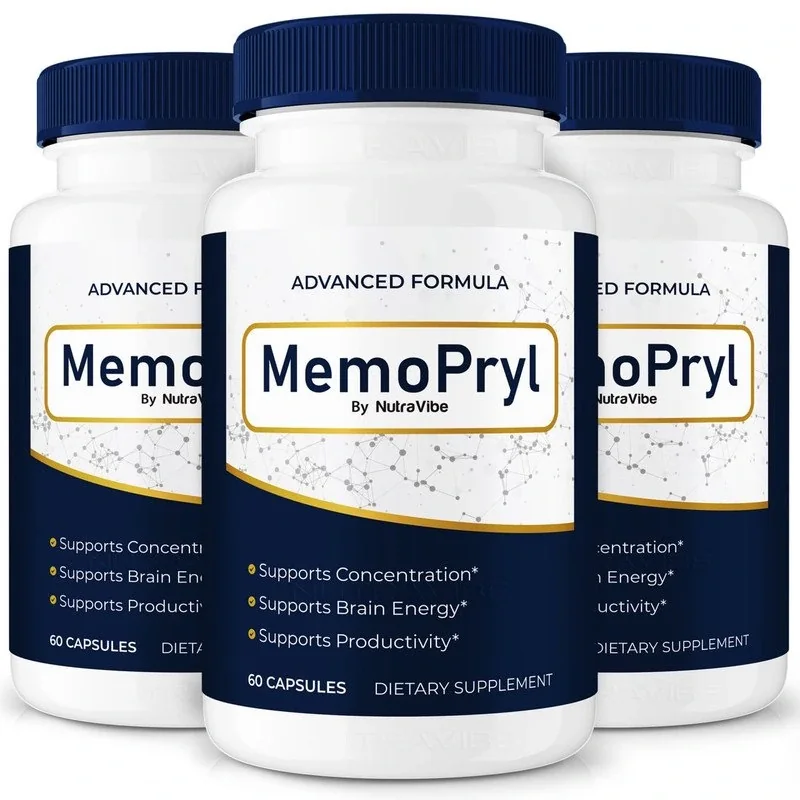
MemoPryl is a dietary supplement in capsules. Six ingredient names are tied to it through a sibling pack, with no amounts printed on any image we have. Two of them, St. John's wort and ginkgo, interact with common medicines.
Stay on prescribed medicine, and check with your doctor or pharmacist before you begin. Read the how to take it guide, and follow the bottle you receive, not a website.
Thinking about MemoPryl?Check your medicines with a pharmacist first. The checkout confirms prices and the 60-day window.
Middle pack
3 bottles
Not listed on the packNot listed on the pack a bottle · Not listed on the pack
Get 3 bottlesLargest pack
6 bottles
Not listed on the packNot listed on the pack a bottle · Not listed on the pack
Get 6 bottlesUntil the seller confirms its list, prices stay as fill-in fields. The checkout shows the final total.
When is a routine not enough?
A routine is not enough when memory changes worry you or the people close to you.
The National Institute on Aging says forgetfulness can be a normal part of aging, but dementia is not (NIA, Forgetfulness: When to Ask). Losing things often or forgetting appointments are reasons to talk with a doctor. See when to see a doctor.
FAQ01
Questions people ask about MemoPryl
What time of day is best for a memory routine?
Any time you can repeat. Consistency matters more than the hour. Many people pair a walk with lunch, a list with their evening cup of tea and a regular bedtime. Pick anchors in your day and stick with them.
Can a daily routine replace a doctor visit for memory worries?
No. A routine supports daily life, but it does not explain why memory changed. If you or family notice changes, see a doctor. Do not wait to see whether habits or a supplement help first.
How long before a memory routine feels easier?
There is no set time, and no number can be promised. Habits feel easier as they become automatic, often within weeks. Track how you feel in a notebook and share it with your doctor if worries continue.
Who wrote this02
Written and reviewed by
Each page draws on the bottle images, the seller's product notes and linked NIH, FDA, FTC and peer-reviewed sources.
Last updated . See our editorial standards and how we check reviews. This website is run by MemoPryl USA retail, not by the manufacturer or the distributor of the bottle. We are paid a commission when you buy through our order links.
Keep reading
Related MemoPryl reading
MemoPryl USA retail
Ready to look at MemoPryl?
Read the bottle you receive and go over your medicines with a pharmacist before you pick a pack. The checkout confirms prices and the guarantee terms.
- Order desk: +1 (302) 200-3480
- 60-day window (confirm at checkout)
- Ships from the U.S. unless the checkout says otherwise