Blog
Alzheimer's and Supplements: No Proven Prevention
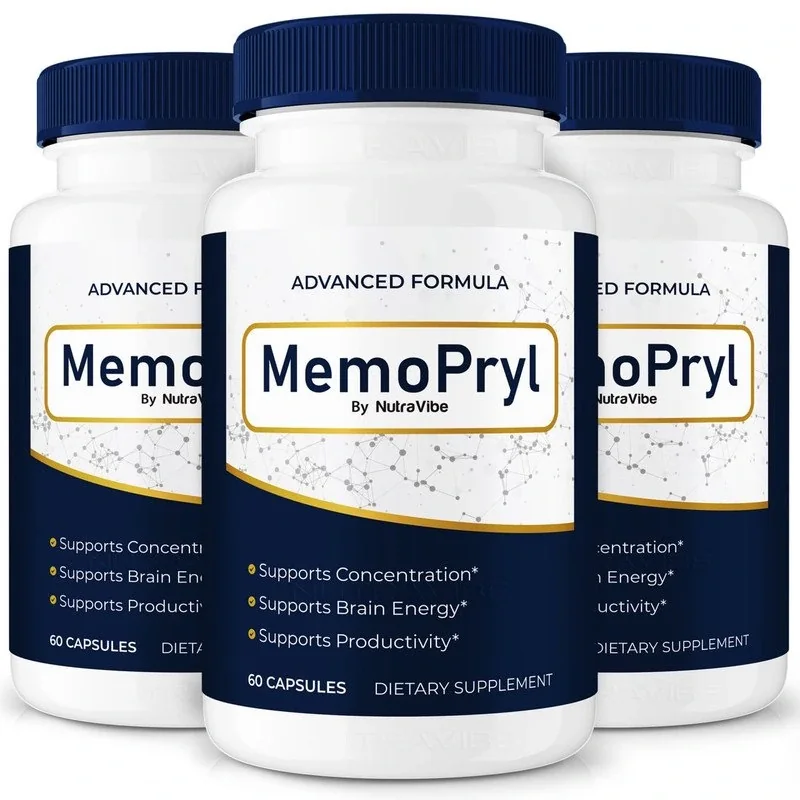
Alzheimer's and supplements: no supplement has been proven to prevent or treat Alzheimer's disease. The large ginkgo trial found no lower rate than placebo, and NCCIH calls the evidence for most supplements inconclusive. MemoPryl is a dietary supplement and makes no such claim. Talk to a doctor about real risks.
By the MemoPryl label deskUpdated · 4 min read
Can a supplement lower Alzheimer's risk?
No supplement has been shown to prevent Alzheimer's disease. This is the clearest finding across federal sources.
NCCIH says the evidence for most supplements is inconclusive, limited or inconsistent (NCCIH, Supplements and Cognition). The National Academies found "insufficient high-strength experimental evidence" to justify a public campaign about prevention (National Academies 2017 report).
That matters because many ads hint at more. Ads that suggest a capsule guards against Alzheimer's go beyond the evidence. Label wording is allowed to be softer, but it still does not mean proof.
What did the big ginkgo trial find?
It found no benefit. The GEM trial gave 3,069 adults aged 75 or older either 120 mg of ginkgo twice a day or placebo, for a median of about six years (DeKosky 2008, GEM trial, JAMA).
Alzheimer's rates were not lower with ginkgo. The hazard ratio for Alzheimer disease was 1.16, and the authors concluded the dose did not reduce overall incidence (DeKosky 2008, GEM trial, JAMA).
| Item | Detail |
|---|---|
| People | 3,069 adults, 75 or older |
| Ginkgo group | 120 mg twice daily |
| Follow-up | Median 6.1 years |
| Result | No reduction in dementia or Alzheimer's |
What habits have better support?
Activity, blood pressure care and cognitive training have "encouraging although inconclusive evidence," which is more than any supplement has (National Academies 2017 report).
HHS says regular activity reduces the risk of dementia, including Alzheimer's (HHS, Physical Activity Guidelines). Adults need at least 150 to 300 minutes of moderate activity a week (HHS, Physical Activity Guidelines).
- Brisk walking or fast dancing most days
- Strength work twice a week
- Regular blood pressure checks
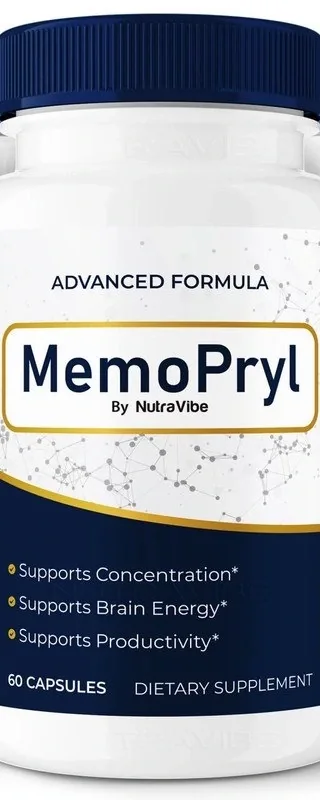
MemoPryl: capsules in 2, 3 or 6 bottlesRead the bottle · check medicines first · 60-day window (confirm)
See packsWhat does MemoPryl claim about Alzheimer's?
Nothing. MemoPryl is a dietary supplement, not a drug, and it is not a treatment for memory loss or dementia.
The bottle claims use asterisked wording, such as "Optimized Memory*", with the FDA statement that it is not intended to diagnose, treat, cure or prevent any disease. The ginkgo named on a sibling pack did not prevent Alzheimer's in the trial above.
Bleeding risk may rise with ginkgo (FDA, Mixing Meds and Supplements). Stay on prescribed medicine and check with your doctor or pharmacist before you begin.
Thinking about MemoPryl?Check your medicines with a pharmacist first. The checkout confirms prices and the 60-day window.
Middle pack
3 bottles
Not listed on the packNot listed on the pack a bottle · Not listed on the pack
Get 3 bottlesLargest pack
6 bottles
Not listed on the packNot listed on the pack a bottle · Not listed on the pack
Get 6 bottlesUntil the seller confirms its list, prices stay as fill-in fields. The checkout shows the final total.
When should memory worries go to a doctor?
See a doctor when you notice trouble with recent events, thinking clearly or getting lost in familiar places. NIA says dementia is not a normal part of aging (NIA, Forgetfulness: When to Ask).
Early diagnosis opens options that a supplement does not, including a check for treatable causes and a plan for the family. Read our guide to memory changes for the signs.
FAQ01
Questions people ask about MemoPryl
Does ginkgo lower Alzheimer's risk?
No. The GEM trial of 3,069 adults aged 75 or older found no lower Alzheimer's rate with ginkgo than with placebo. According to NCCIH, ginkgo has not been shown to prevent dementia.
Can vitamins stop memory decline?
Not shown. The National Academies listed B12 with folic acid among areas with insufficient evidence. Ask your doctor about any vitamin, especially with other medicines.
What lowers dementia risk according to health agencies?
HHS says regular physical activity reduces dementia risk. The National Academies also points to blood pressure control and cognitive training, with inconclusive but encouraging evidence.
Who wrote this02
Written and reviewed by
Each page draws on the bottle images, the seller's product notes and linked NIH, FDA, FTC and peer-reviewed sources.
Last updated . See our editorial standards and how we check reviews. This website is run by MemoPryl USA retail, not by the manufacturer or the distributor of the bottle. We are paid a commission when you buy through our order links.
Keep reading
Related MemoPryl reading
MemoPryl USA retail
Ready to look at MemoPryl?
Read the bottle you receive and go over your medicines with a pharmacist before you pick a pack. The checkout confirms prices and the guarantee terms.
- Order desk: +1 (302) 200-3480
- 60-day window (confirm at checkout)
- Ships from the U.S. unless the checkout says otherwise